



When the word "stroke" enters our minds, it often conjures images of older individuals, but what about those under 50?
In a recent episode of the podcast "404: Brain Not Found," host Piers Grove delves into this question with stroke nurse practitioner Kylie Tastula from the Royal Prince Alfred Hospital. Their conversation reveals the untold stories of young stroke survivors and the unique challenges they face.
One notable part of this episode is Kylie's vivid description of the rapid response in the emergency department, which paints a picture of urgency and precision. From the moment the ambulance arrives, a stroke call is initiated, and the clock starts ticking. Every minute counts as the medical team swiftly assesses the patient, conducts necessary tests like CT scans, and makes critical decisions about treatment options. For young stroke survivors like Piers, this whirlwind experience becomes their entry point into a new world of medical intervention and rehabilitation.
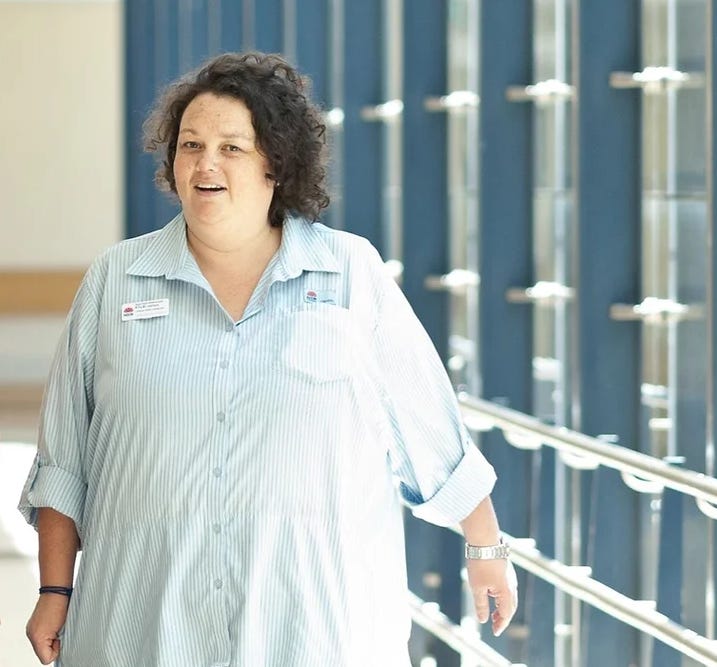
Image: Kylie Tastula, nurse practitioner at Royal Prince Alfred Hospital.
Piers' journey didn't end with his discharge from the hospital. As he candidly shares, the aftermath of his stroke brought unexpected emotional and psychological challenges. Despite his initial determination to resume normalcy, he found himself grappling with anxiety, depression, and fatigue. Kylie's insights shed light on the invisible struggles that young stroke survivors face long after the physical wounds have healed. The pressure to return to work, support families, and maintain social connections often eclipses the need for emotional healing and self-care. The transition from victim to survivor is not a linear path but a complex journey marked by grief, uncertainty, and resilience.
Family members and caregivers play a crucial role in the recovery process, yet their needs are often overlooked. Kylie highlights the roller coaster of emotions that families experience, from initial shock to long-term adaptation. It is important to provide adequate support for both survivors and their loved ones requires a holistic approach that addresses physical, emotional, and social aspects of recovery. And building awareness and understanding within communities can help de-stigmatize stroke and foster empathy and support for those affected.
Episode 3 features nurse practitioner Kylie Tastula.
Australia's Stroke Foundation is a proud friend of 404: Brain Not Found. Learn more about the Stroke Foundation here.
Listen wherever you get your podcasts.
Producer: Stu Buckland
Supervising Producers: Alison Zhuang and Alice Gage
#404BrainNotFound #NewPodcast #StrokeSurvivor #StrokeAwareness


